
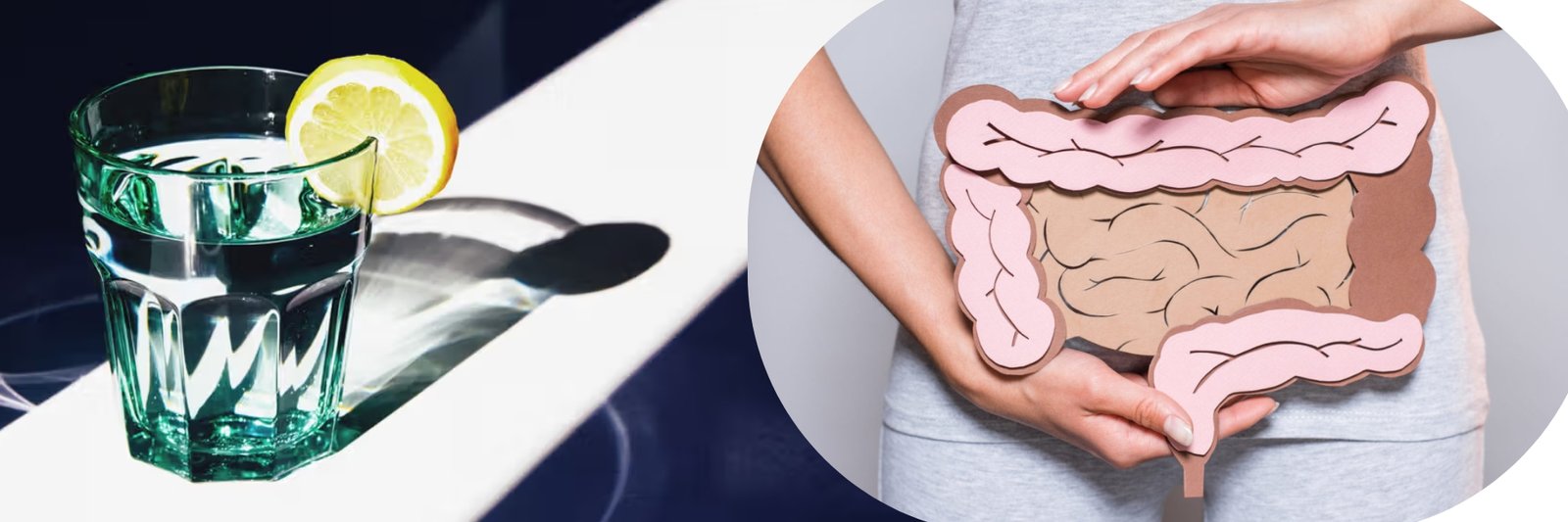
By Entela Çeliku, PhD in Natural Product Chemistry
The trend of “colon cleansing” has been circulating everywhere lately from wellness influencers to short-form videos that promise instant detox, clearer skin, better digestion, and a surge of daily energy. Each time one of these videos appears, I pause. Not because people shouldn’t explore ways to feel better, but because our bodies rarely follow the shortcuts that social media promotes. And since my work centers around natural ingredients and how the body responds to them, I felt it would be helpful to break down this topic honestly and calmly, without dramatization or judgment. My intention is simple: to help you understand what truly happens inside your colon, how your microbiome works, and what your body genuinely needs to stay healthy.
Why Colon Cleansing Suddenly Became a Trend
The idea of flushing the colon has resurfaced with surprising intensity, often presented as a quick reset after periods of indulgence or digestive discomfort. The promise is always the same: remove toxins, lighten the body, boost immunity, improve skin, and restore energy. Yet these claims have little connection to toxicology, gastroenterology, or human physiology. Colon cleansing methods usually involve either colonic irrigation, where large amounts of water are introduced through the rectum, or enemas, which hold smaller amounts of liquid for a short period before being released. In clinical medicine these techniques exist strictly out of necessity, mostly to prepare the intestine for colonoscopies or surgeries, when absolute visibility is required. They were never intended to be routine wellness practices, and certainly not rituals to be repeated weekly or monthly.
The Myth of ‘Stored Toxins’
Colon cleansing is rooted in an old belief that the digestive tract accumulates harmful toxins, which then trigger symptoms like headaches, fatigue, bloating, skin issues, inflammation, or a weakened immune system. But physiologically this idea doesn’t hold up. The colon does not store toxins. The human body has several highly efficient detoxification systems that work around the clock. The liver neutralizes chemicals and metabolic byproducts. The kidneys filter the bloodstream continuously. The lymphatic system clears cellular waste. The skin eliminates through sweat, while the respiratory system removes volatile compounds with every breath. Even the digestive tract is constantly moving forward, carrying waste out of the body through peristalsis. Nothing is waiting to be “flushed out.” Your body detoxifies every minute of every day, with no need for external cleansing rituals.
The Microbiome: The Living Ecosystem You Don’t Want to Lose
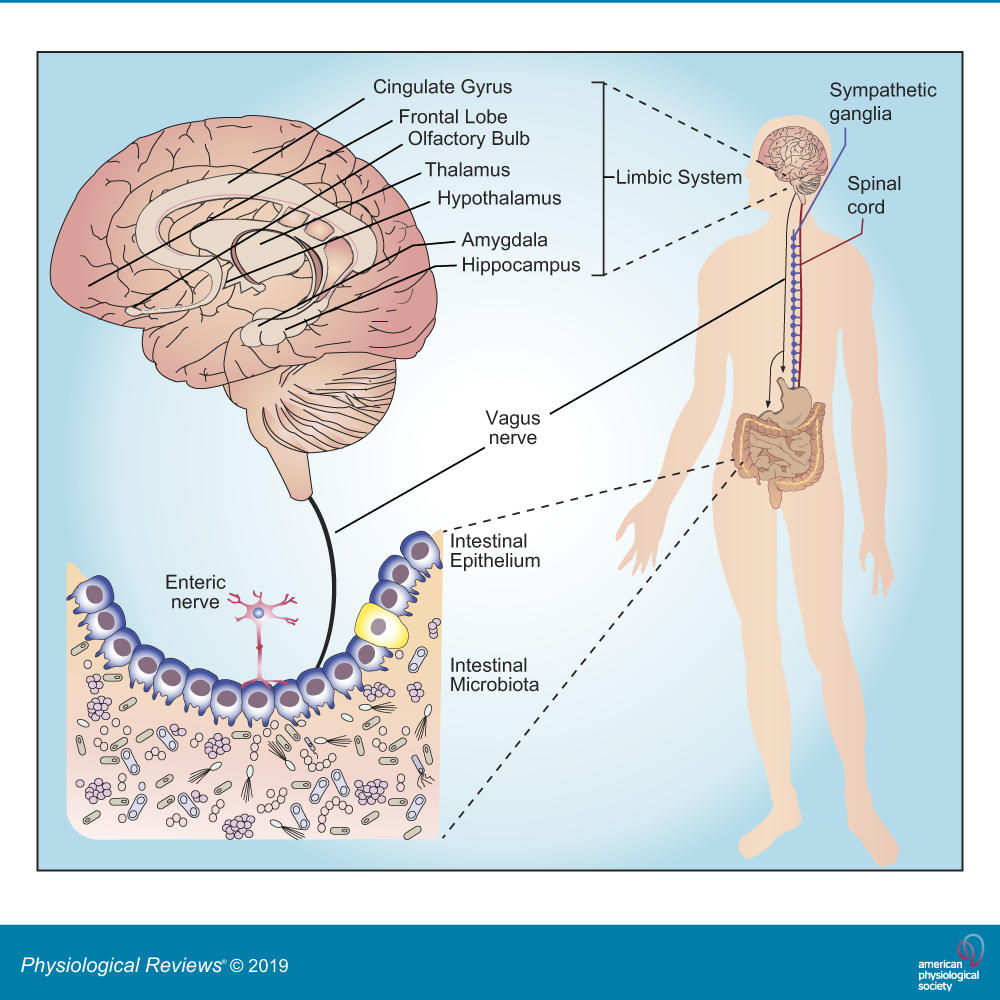
What the colon does store is something far more valuable: a rich ecosystem of trillions of beneficial bacteria known as the microbiome. This community of microbes plays a profound role in your health. The microbiome plays a central role in digestion, immunity and even skin health. I’ve written a full article on the gut–skin connection here. It aids digestion, regulates inflammation, helps maintain the integrity of the gut lining, produces essential vitamins, educates the immune system, and communicates directly with the brain through the gut–brain axis. One of the most important functions of the microbiome is its influence on neurotransmitters. Among these, GABA holds a special place. GABA is the brain’s primary calming molecule, the chemical that slows down neural activity and helps your nervous system relax, making it essential for reducing anxiety and supporting rest.
Serotonin, on the other hand, is your stabilizer. It shapes mood, sleep cycles, appetite, and gut movement. But it does not have the same immediate calming effect as GABA. When people repeatedly cleanse their colon, especially with strong herbal mixtures, salt solutions, or coffee enemas, they wash away the very bacteria that support these neurotransmitters. This disruption can lead to a period of emotional imbalance, irritability, anxiety, sleep disturbances, digestive discomfort, and increased inflammation. Rebuilding this microbial ecosystem can take weeks or even months. This is why many people feel worse after cleansing, not better.
Medical Risks Hidden Behind the Trend
Despite being marketed as safe and natural, colon cleansing carries clear and well-documented medical risks. Coffee enemas in particular have led to severe infections, hospitalizations, and in rare cases even death. Even water-based irrigations are not without consequences. They can cause dehydration, painful cramping, vomiting, diarrhea, and electrolyte imbalance, particularly when large amounts of fluid disrupt sodium, potassium, and magnesium levels. When the epithelial lining of the colon comes into direct contact with concentrated herbal compounds or coffee, irritation or chemical burns may occur. For individuals living with colitis, Crohn’s disease, IBS, diverticulitis, hemorrhoids, or sensitive digestive tracts, these procedures can trigger serious flare-ups and damaging inflammation. The very act that is believed to “cleanse” the body often destabilizes it.
But the most overlooked risk remains the loss of microbiome diversity. When beneficial bacteria are flushed out, the immune system weakens, inflammation rises, and the gut barrier becomes more vulnerable. This is the opposite of healing.
If Cleansing Isn’t the Answer, What Does a Healthy Colon Actually Need?
A healthy colon isn’t achieved through force; it’s built gradually through nourishment, reduced inflammation, proper hydration, and a stable microbiome. A simple morning ritual that supports colon comfort is one teaspoon of black seed oil (Nigella sativa) mixed with 20-30ml of pure aloe vera juice. The bioactive compounds in black seed oil,thymoquinone, nigellone, and carvacrol help soothe and support the gut lining. Aloe vera must be inner-leaf gel, aloin-free, alcohol-free, sugar-free, stored in glass, and refrigerated after opening. You can follow this with a warm infusion of turmeric, ginger, black pepper (piperine boosts curcumin absorption up to 20-fold), and dandelion root. When steeped for ten minutes and finished with lemon and honey, this tea delivers gentle anti-inflammatory support. Adding a teaspoon of ghee or grass-fed butter improves curcumin absorption, while dandelion root in tea or supplement form supports natural detox pathways.
Micronutrients and Daily Foods That Protect Your Colon
Micronutrients also play an important role. Vitamin D with K2 supports immune and inflammatory balance, and can be found naturally in oily fish, egg yolks, mushrooms exposed to sunlight, and fermented foods like natto and aged cheeses. Selenium and zinc, ideal after lunch, appear in Brazil nuts, pumpkin seeds, tahini, lentils, and seafood, helping with antioxidant protection and tissue repair. Magnesium, whether taken as glycinate in the evening or consumed through leafy greens, cacao, almonds, avocados, and legumes, relaxes both the gut and the nervous system. Gentle drinks such as elderflower or wild blueberry tea help reduce oxidative stress, while green tea or matcha with vitamin C supports the microbiome. Traditional supports like a preserved green walnut in honey, or saffron-infused warm milk at night, offer additional soothing benefits. Above all, the foundation of colon health is the microbiome. Fermented foods such as yogurt, kefir, kombucha, kimchi, and naturally fermented vegetables, together with prebiotic foods like garlic, onions, leeks, asparagus, apples, and prunes, feed beneficial bacteria and help them thrive, creating real, lasting digestive wellbeing.
The Bottom Line: Nourish, Don’t Flush
Your colon does not need cleansing. It needs consistency, nourishment, and respect for the intelligent systems already working inside you. A flush removes the microbial community that protects you; nourishment rebuilds it. When you support your colon with anti-inflammatory botanicals, high-quality nutrients, fermented foods, hydration, and calming rituals, you support the entire body digestion, energy, immunity, mood, and skin included.
True detox is not dramatic. It is daily, steady, and rooted in the natural intelligence of your body.