
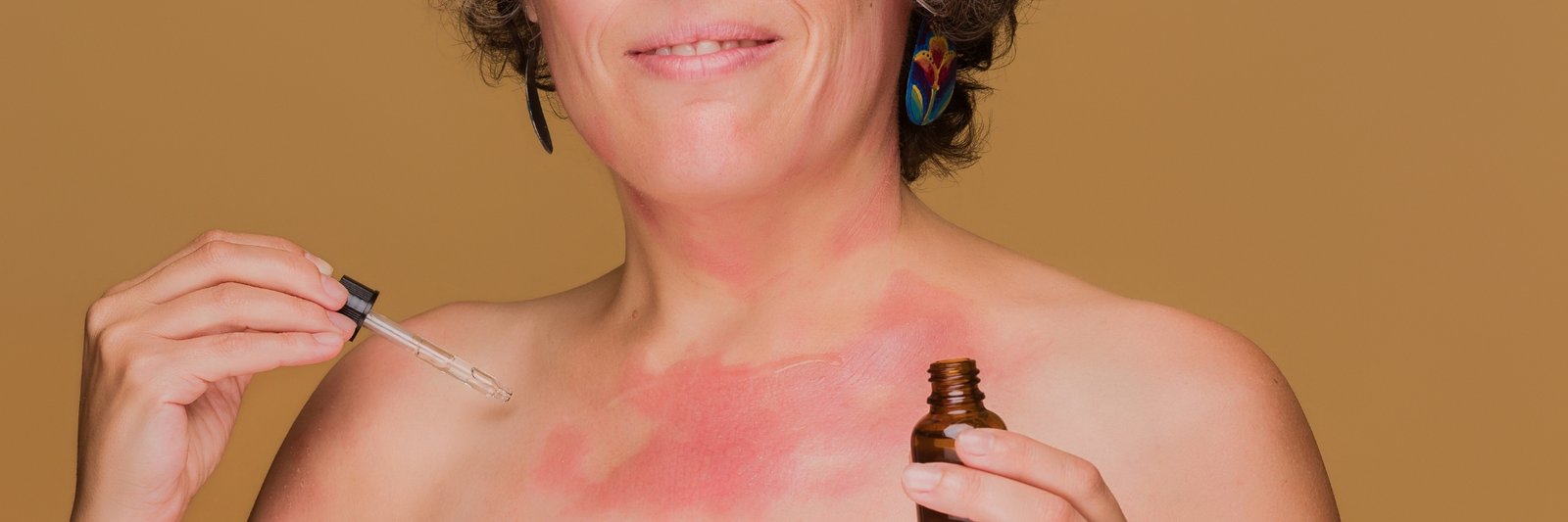
Sensitive skin today is not the same as sensitive skin 20 years ago. Dermatological data from Europe and the U.S. show that self-reported sensitive skin has nearly doubled over the last two decades. This is not genetics. This is environment, formulation trends, and cumulative exposure.
We are not just dealing with allergies anymore. We are dealing with a structural barrier crisis.
The Skin Barrier Is a Lipid Architecture. Not Just “Hydration”
The outer layer of your skin, the stratum corneum, is built like a brick wall. The mortar is a precise mixture of ceramides (about 50%), cholesterol (25%) and free fatty acids (15%).
When this ratio is disturbed, even slightly, transepidermal water loss increases. Micro-inflammation begins. Nerve endings become more reactive. What you experience as “burning” or “tingling” is often barrier dysfunction, not allergy.
Here is what is new: many modern skincare trends damage this lipid architecture slowly.
Over-cleansing with surfactants removes structural lipids. Daily exfoliation alters corneocyte cohesion.
Retinoids accelerate turnover faster than barrier recovery.
Even some “clean” botanical extracts contain volatile terpenes that oxidize and form sensitizing byproducts when exposed to air.
This is why someone can suddenly “develop” sensitive skin in their 30s. It is not random, it is structural. Sensitive skin is frequently structural before it becomes allergic.
In fact, many people who think they have “sensitive skin” are experiencing the early stages of sensitization, a process I explained in detail in our article, Born Tolerant, Made Reactive: The Truth About How Skin Allergies Develop.
Microbiome Disruption: The Overlooked Factor
Your skin is not sterile. It is an ecosystem. Staphylococcus epidermidis and Cutibacterium acnes are not enemies by default. They help regulate immune balance.
When we constantly use antibacterial cleansers, essential oils with antimicrobial properties, or high-alcohol toners, we reduce microbial diversity. A disrupted microbiome increases inflammatory signaling and lowers tolerance threshold
Neurogenic Inflammation: Why Your Skin Burns Without Rash
Some people report stinging without visible redness. This is increasingly linked to neurogenic inflammation. Certain ingredients activate TRPV1 receptors, the same receptors triggered by heat and chili peppers. Menthol, peppermint, fragrance compounds and even some preservatives can stimulate these receptors. The result is a burning sensation without visible dermatitis.
This is not psychological, itt is biochemical. Sensitive skin is often a nerve-barrier interaction disorder.
So What Does Truly Sensitive Skin Need?
Not more active ingridients, not botanical cocktails, not 12-step routines.
It needs lipid restoration, microbiome respect and minimal immune stimulation.
Ingredient-Focused Options for Sensitive Skin
Sensitive skin does not need more products. It needs the right structure and fewer variables.
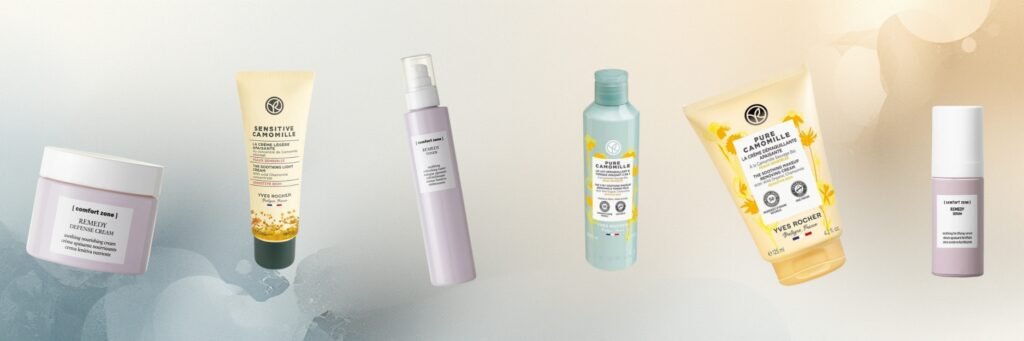
The options below are examples of formulations built around barrier support, microbiome balance, and inflammation control. They are not meant to be layered together, but selected according to your skin’s current state. Each of these products is available on KungulApproved and has been individually analyzed through the Kungul App, with every ingredient reviewed one by one for safety, sensitization potential, and regulatory compliance.
If your skin reacts right after cleansing
Start with the gentlest step: cleansing.
A fragrance-free cream cleanser with organic chamomile can calm while preserving lipids. Chamomile provides bisabolol, known for its anti-inflammatory action, while a cream texture reduces surfactant aggression. Formula such as a Chamomile Cream Cleanser is designed to cleanse without stripping. If your skin feels tight after washing, this is the category to adjust first.
If redness is your main concern
Look for ingredients that modulate inflammation rather than mask it.
Extracts like Mirabilis Jalapa help visibly reduce redness by calming neurogenic reactivity.
Magnolia bark supports anti-inflammatory balance.
Niacinamide strengthens the barrier and reduces transepidermal water loss.
Bisabolol directly soothes irritation.
Beta-glucan helps hydrate while modulating immune response.
You’ll find these actives in calming treatments such as:
• Remedy Serum – built around Mirabilis Jalapa, Magnolia bark, and a natural prebiotic (Alpha-glucan oligosaccharide) to support microbiome resilience.
• All Calm® Multi-Correction Serum – combines Niacinamide, Beta-glucan, and Bisabolol for visible redness correction.
You do not need both. Choose one calming serum based on your tolerance and texture preference.
If your barrier feels weak, tight, or flaky
When the skin barrier is compromised, lipid replenishment becomes essential.
A cream containing Marula oil and Shea butter restores essential fatty acids, while calming botanicals like Magnolia extract and Mirabilis Jalapa reduce inflammatory signaling.
A formulation such as Remedy Defense Cream is designed specifically for dry, reactive skin needing structural reinforcement.
If dryness is mild, a lighter Soothing Cream with Chamomile extract, Glycerin, and Shea butter may be sufficient to maintain hydration without heaviness.
If microbiome balance is part of the issue
Frequent irritation can disrupt the skin’s ecosystem.
Formulas containing Alpha-glucan oligosaccharide (prebiotic) help support beneficial bacteria and reinforce natural defense mechanisms. A product like Remedy Toner integrates this prebiotic approach while helping reduce visible redness.
A gentle 2-in-1 Cleanser & Toner with chamomile and prebiotics can also support balance in minimal routines.
Sensitive skin improves with stability, not layering. In most cases, one gentle cleanser, one targeted treatment, and one barrier-supportive cream are enough.
Why This Matters for Kungul Users
Kungul is not just about avoiding “bad” ingredients. It is about understanding exposure patterns. Many users scan a single product and feel safe, but sensitive skin is about cumulative formulation behavior across your entire routine.
Sensitive skin is not weak skin. It is adaptive skin under chronic stress.
When you reduce that stress, biology recalibrates.
With scientific care,
Dr. Entela Celiku