

If winter makes your face feel like it “shrunk” overnight, tight after cleansing, dull by midday, flaky in some areas but oddly shiny in others, you’re not imagining it. Cold air, indoor heating, and constant temperature changes put real stress on the skin barrier.
The problem? Most people label all of this as dry skin, when in reality the issue is often dehydrated skin, or a combination of both. Understanding the difference is what turns a frustrating routine into one that actually works.
What’s the Real Difference Between Dry and Dehydrated Skin?
Dry skin and dehydrated skin are not interchangeable terms.
Dry skin is a skin type, while dehydrated skin is a skin condition. That distinction matters because each one needs a different approach.
Dry Skin: A Skin Type That Lacks Oil
Dry skin is largely genetic and related to naturally low oil (sebum) production. Oil is essential for maintaining a healthy skin barrier, so when it’s lacking, the skin struggles to stay comfortable and protected. Dry skin often feels tight shortly after cleansing, looks flaky or rough, and may show fine lines earlier, especially around the eyes and mouth. Pores tend to be smaller and less visible. This isn’t a temporary phase; dry skin needs consistent barrier support all year long, with extra care in winter.
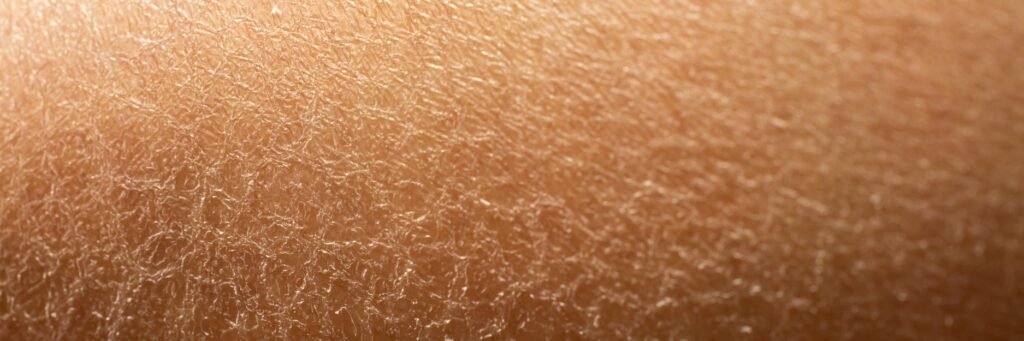
Dehydrated Skin: A Temporary Lack of Water
Dehydrated skin refers to a lack of water, not oil. It can affect any skin type, including oily and combination skin.
When skin is dehydrated, it often looks dull and tired, feels tight, and loses elasticity. It may still appear shiny, and breakouts can occur as the barrier becomes stressed. Dehydration is commonly triggered by cold weather, indoor heating, hot showers, over-cleansing, over-exfoliation, sun exposure, stress, or travel. Unlike dry skin, dehydration is usually temporary once the cause is addressed.
Why Winter Makes Everything Worse
Winter significantly increases transepidermal water loss, the natural process through which water evaporates from the skin. Cold wind and dry indoor air weaken the skin barrier, allowing moisture to escape more easily. Dry skin is especially vulnerable because a low-lipid barrier cannot seal hydration in effectively. This is why dehydration often stacks on top of dryness during colder months.
How to Tell If Your Skin Is Dehydrated
A simple at-home check is the pinch test. Gently pinch the skin on your cheek and release it. If it takes a moment to smooth back down instead of bouncing back immediately, dehydration may be part of the problem.
How to Care for Dehydrated Skin
When dehydration is the main issue, the focus should be on restoring water while calming the barrier. Look for formulas centered around glycerin and other gentle humectants (beta-glucan and butylene glycol) that help bind water within the skin. Keeping routines simple is key, harsh cleansers, aggressive exfoliation, and overuse of actives often prevent dehydrated skin from recovering. Once the trigger is removed, dehydrated skin usually improves relatively quickly.
How to Care for Dry Skin
Dry skin needs more than hydration, it needs lipid support. Rich creams containing ceramides, squalane, and shea butter help reinforce the skin barrier and reduce ongoing moisture loss. During periods of intense tightness or irritation, adding a recovery layer, such as a balm or richer cream applied over your moisturizer, can significantly improve comfort. For dry skin, consistency and barrier protection matter far more than strong actives.
When Dry and Dehydrated Skin Overlap
In winter, it’s very common to experience both conditions at once. When the skin barrier lacks enough oil, water escapes more easily, leading to dehydration on top of dryness. This is why hydration alone doesn’t always solve the problem. A simple guiding principle helps: hydrate first, then seal and protect.
KungulApproved Product Picks
When skin feels intensely dry, the biggest difference often comes from the last step, nourishing face oil blend that helps seal in comfort and reduce that tight, fragile feeling. If what you’re seeing is dehydration (dullness, tightness, less bounce), a hydrating cream built around water and glycerin, balanced with gentle, barrier-friendly emollients, can bring relief without the heavy finish. Lips usually need their own protection in winter, so a repairing lip balm becomes the daily shield against wind and indoor heat. Body skin benefits most right after showering, when a rich shea butter-based moisturizer can lock in softness before dryness has a chance to return.
The Takeaway
Dry skin is about low oil.
Dehydrated skin is about low water.
Winter often brings both. Once you understand which one your skin is dealing with, you can stop guessing and start choosing products that truly support your skin’s biology, exactly what Kungul stands for.