
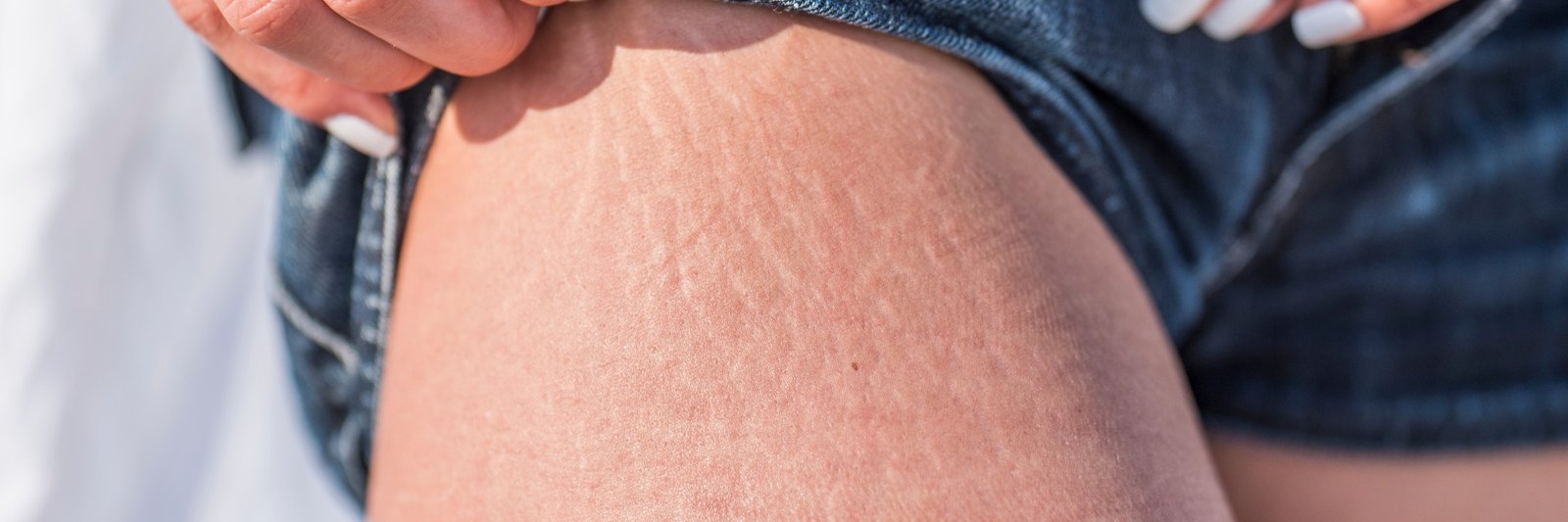
Stretch marks are one of the most common skin changes people experience, yet also one of the most misunderstood. They are often presented as something you can prevent or completely remove if you choose the right product or treatment. The reality is more complex.
Stretch marks, or striae distensae, are not just surface lines. They are a form of dermal scarring, meaning the structure of the skin itself has changed. When the skin stretches faster than it can adapt, the deeper layer begins to break down. Collagen and elastin fibers lose their organization, and the skin becomes weaker in those areas.
At first, stretch marks appear red or purple. This is the active phase, where the skin is still inflamed and responsive. Over time, they fade into white or silvery lines. At this stage, they behave more like scars and are significantly harder to treat.
What Causes Stretch Marks
Stretching of the skin is the most visible trigger, but it is not the only one. Stretch marks form due to a combination of mechanical stress, hormonal changes, and genetic predisposition.
Rapid body changes such as pregnancy, puberty, weight gain, or muscle growth place sudden tension on the skin. When this tension exceeds the skin’s capacity, structural damage occurs in the dermis.
Hormones play a deeper role than most people realize. Elevated cortisol levels reduce collagen production and weaken the skin’s ability to repair itself. This is why stretch marks are also linked to hormonal imbalances and long-term exposure to certain chemicals that interfere with the endocrine system.
If you want to understand how hormones and daily product exposure affect your skin, read our full guide on Beauty Bomb: The Truth About Hormone Disruptors.
Genetics further explain why some people develop stretch marks easily while others do not, even under similar conditions.
Can Stretch Marks Be Prevented
This is one of the most searched questions, and also one of the most misleading areas. There is no guaranteed way to prevent stretch marks.
Most creams and oils marketed for prevention mainly improve surface hydration. They do not penetrate deeply enough to influence the dermis, where stretch marks actually form. What matters more is supporting the skin from within. Collagen production, nutrient intake, and overall skin resilience play a key role in how your skin adapts to stress and stretching.
If you want to understand what truly supports skin structure and elasticity, read The Truth About Collagen Supplements
Stretch Marks in Different Stages
Understanding the stage of stretch marks is essential when choosing a treatment.
Early stretch marks, known as striae rubra, are red or purple and still biologically active. These respond better to treatments because the skin is still in a repair phase.Older stretch marks, known as striae alba, are white and more fibrotic. These are more resistant and require stronger or combined treatments for visible improvement.
Camouflage Tattooing: Does It Work
Stretch mark camouflage, often done with skin-toned tattoo pigment, has gained popularity as a quick visual solution.
It can make stretch marks less noticeable by blending them with surrounding skin. However, it does not treat the underlying issue. The texture remains unchanged, and the skin is still structurally altered. Results depend heavily on the practitioner’s skill and the stability of your skin tone. Changes in tanning or pigmentation can make the treated area more noticeable over time.
This method is best understood as cosmetic camouflage rather than a medical treatment.
Stretch Marks Treatment: What Actually Works
No treatment removes stretch marks completely. All treatments aim to improve appearance, not erase them.
Laser treatments, especially fractional CO₂ lasers, are among the most effective options. They stimulate collagen production and improve texture and depth. Results can be significant, but they come with downtime and a higher cost.
Microneedling is a less aggressive option that works by stimulating the skin’s natural repair process. It improves texture gradually and requires multiple sessions.
Radiofrequency treatments use controlled heat to stimulate collagen and are often considered a strong balance between safety and effectiveness.
Carboxytherapy involves injecting carbon dioxide into the skin to increase blood flow and stimulate collagen production. Studies show moderate improvement, often around 50% in appearance after several sessions. Results are gradual and require consistency.
Regenerative treatments such as PRP or nanofat injections aim to improve skin quality through growth factors. These are often used in combination with other treatments for better outcomes.
What Results Can You Expect
This is where expectations should be grounded in reality.
Most treatments show improvement in the range of 30% to 70%, depending on the method, the number of sessions, and the stage of the stretch marks. New stretch marks respond better than old ones. Combination treatments tend to outperform single approaches. And consistency plays a bigger role than intensity.
There is no treatment that leads to complete removal.
A Smarter Daily Routine That Supports Your Skin
So what can you actually do, day to day?
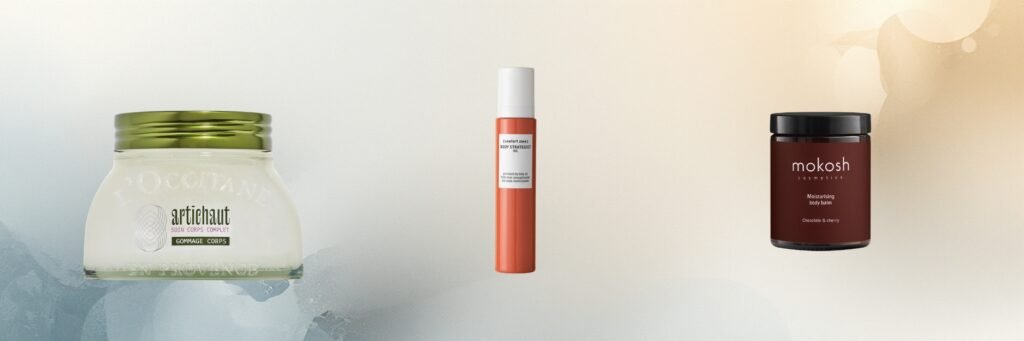
Exfoliation is often overlooked, yet it makes a real difference over time. By removing dead skin cells, it improves texture, stimulates circulation, and helps your skin absorb what comes next. A body scrub like the L’Occitane Artichoke Body Scrubcan be used a few times per week on areas like the hips, thighs, and abdomen.
After showering, don’t wait until your skin is completely dry. Slightly damp skin holds water, and this is when oils and balms work best, locking in hydration instead of sealing in dryness.
Oils help support elasticity and resilience. The Comfort Zone Body Strategist Oil is designed for areas prone to stretch marks, helping the skin stay more flexible over time. To finish, a richer balm like the Mokosh Chocolate & Cherry Body Balmprovides deeper nourishment and helps strengthen the skin barrier.
You can find all these options on KungulApproved, where products are selected based on ingredient quality and safety, not marketing promises. This isn’t about quick results. It’s about consistency, and giving your skin what it needs to function better over time.
What Happens Outside the Treatment Room
Treatments can help improve the appearance of stretch marks, but what happens between sessions matters just as much. Your skin is constantly exposed to ingredients that can either support repair or silently work against it, influencing inflammation, hormonal balance, and overall resilience. This is where awareness becomes part of the process.
What you use every day matters, especially when your skin is trying to repair, adapt, and regain balance.